







Search Results for: Thika Factory
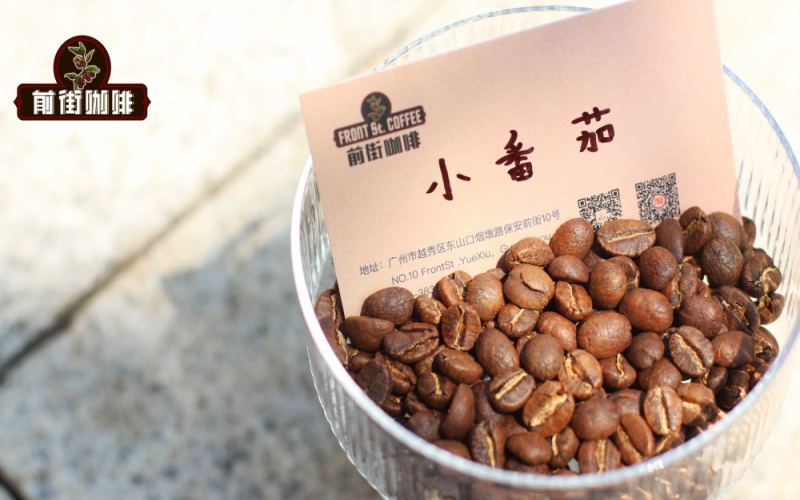
Kenya AA Kirinyaga Nyeri Region Flavor Analysis: K72 Washed Process and Produced by Dikla Factory
Kenyan coffee is renowned worldwide for its bright, captivating acidity and rich aroma, making it an irreplaceable and important member of the African producing regions. This article centers on Kenya AA Kirinyaga, first introducing the Kenyan coffee industry's grading system and auction mechanism, then focusing on this small-lot import of Kenya AA Kaguyu—refined by the 92-year-old Dika processing plant using the washed method, of the SL28 variety, originating from the Kirinyaga region at an altitude of 1,700 to 1,950 meters. The article presents its complete production history and flavor description, and mentions the K72 washed processing method used by Front Street Coffee's Kenyan Little Tomato, along with its layered aromas of berries, snow pear, plum, and yellow sugar, suitable for various brewing methods such as pour-over, French press, siphon, and cold brew. [more…]
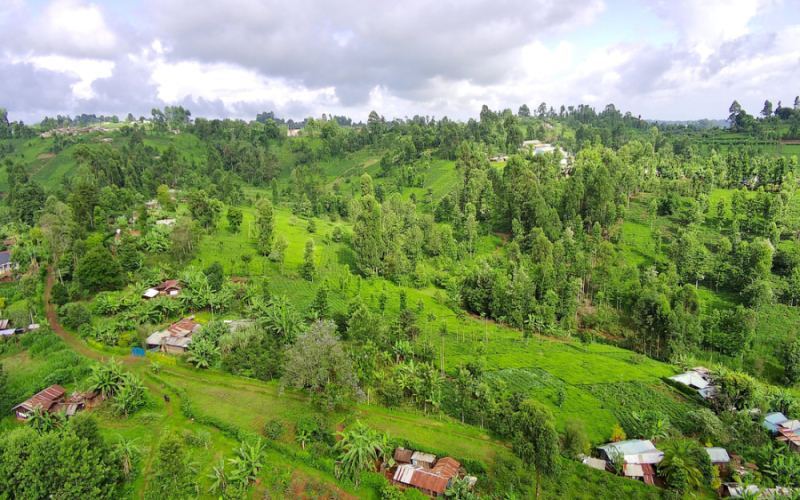
What is the difference between Kenya AA and AB coffee beans? A detailed explanation of the Kenyan coffee grading system and pricing logic
Kenyan coffee is famous for its intense berry notes and solid mouthfeel, but when faced with grading labels like AA and AB, many people are not clear about what they actually represent. From the perspective of Front Street, this article systematically sorts out Kenya's seven major producing regions, the origins and flavor differences of the main varieties SL28 and SL34, analyzes the unique features of Kenya's 72-hour washed processing method (K72), and explains in detail the bean size standards and cup quality differences of grades such as AA, AB, and PB. At the same time, it also includes Front Street's roasting curve, cupping report, and brewing parameters for AA TOP from the Asali processing station in the Thika region, helping coffee lovers fully understand the complete logic of Kenyan coffee from origin to cup. [more…]
Kenya AA Coffee Flavor Grade Analysis and Overview of Main Coffee Estates and Producing Regions
Kenyan coffee is renowned for its bright fruit acidity, full body, and complex flavors, and AA grade is the benchmark among them. This article is based on a five-day visit to Kenya's producing regions, starting from Nairobi and passing through Thika, Kiambu, and Nyeri, with on-site inspections of Sasini Estate, Jane's smallholder farm, and the Thika coffee processing plant, systematically sorting out Kenya's coffee growing conditions, variety characteristics, grade classifications, and washed processing methods. Whether you are interested in estate beans or smallholder beans, you can find answers here. Front Street Coffee also continues to recommend Kenya AA, and the information in this article can serve as a reference for purchases. [more…]
Kenya·Nyeri and Thika: The Bold Acidity of Blackcurrant and Tomato
Kenyan coffee is regarded by the global specialty coffee community as the "benchmark of Africa" for its powerful acidity, full-bodied tartaric acid, and distinctive blackcurrant flavor. This article takes the two major producing regions of Nyeri and Thika as its starting point to provide an in-depth analysis of the ins and outs of Kenyan coffee. [more…]
A Comprehensive Analysis of Kenya's Gatomboya Factory: A Flavor Benchmark of the Nyeri Region and the Specialty Coffee Grading System
Gatomboy Processing Factory is a name that cannot be ignored in the landscape of Kenyan specialty coffee. It belongs to the Barichu Cooperative in the Nyeri region and once scored an impressive 96 points in a 2016 Coffee Review cupping, ranking among Kenya's seven world-class green bean processing factories. Kenya's ability to become a model of global high-quality coffee production is closely tied to its government-led unified purchasing, cupping grading, and public auction system. This system benefits more than 570,000 smallholder farmers and has also created Kenya coffee's irreplaceable flavor charm. This article will guide you through an in-depth understanding of Gatomboy Processing Factory's background, Kenya's coffee-producing regions, green bean grading standards, cultivation history, and variety composition, and recommend related products from Front Street Coffee, presenting coffee lovers with a complete knowledge map of Kenyan coffee. [more…]
Explaining Kenya's Green Coffee Bean Grading System: How Do AA and AB Differ, and How Do They Perform in Espresso
Kenyan coffee is renowned for its vibrant berry notes, lively acidity, and substantial body, and its unique Kenyan-style washing process and green bean grading system based on bean size are equally noteworthy. What exactly do the commonly seen grades in China such as AA, AB, and PB mean? Is AA necessarily better tasting than AB? Front Street Coffee provides the answer through blind testing. This article will systematically outline Kenya's green bean grading standards and quality assessment procedures, and, in conjunction with Front Street's Little Tomato, an AA-grade washed bean from the Thika region, introduce the characteristics of the SL28 and SL34 varieties, the K72 washing method, and specific roasting and brewing plans, helping you gain a comprehensive understanding of the flavor code of Kenyan coffee and its application potential in espresso. [more…]
A Comprehensive Guide to Kenyan Coffee Origins: Varieties, Washed and Natural Processing, and an Overview of Flavor Characteristics
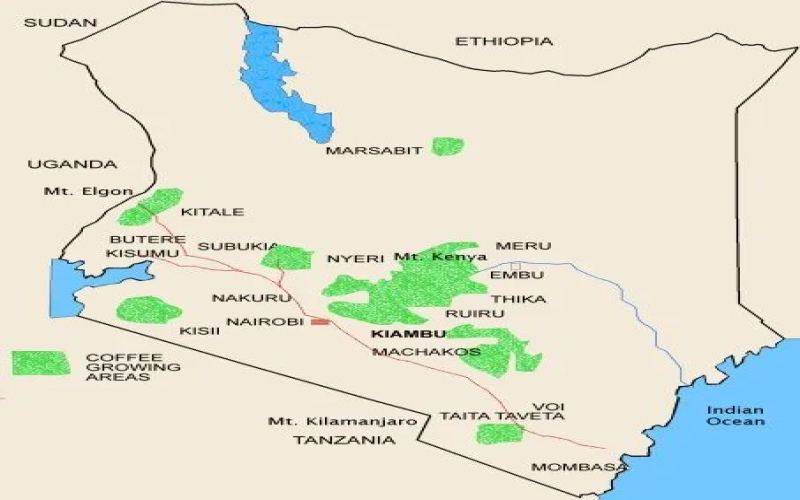
Kenya is a coffee origin that cannot be overlooked on the global specialty coffee map, renowned for its intensely bright acidity and complex layers. This article provides a systematic overview of Kenyan coffee cultivation, including the capital Nairobi, the port city of Mombasa, nearly 700,000 smallholder families, growing conditions at elevations ranging from 1,400 to over 2,000 meters, and varieties such as SL28, SL34, Ruiru 11, Batian, and K7. The article also outlines the main and secondary harvest seasons, the major growing regions in the central and western areas, and compares the flavor differences across counties such as Nyeri, Embu, and Thika. It focuses on analyzing the Kenyan-style 72-hour washed processing method (K72), detailing its process and advantages, while also introducing the lesser-seen traditional natural-processed Kenyan coffee, including the historical background and flavor profile of Missionary Bourbon. Finally, it includes two comparison bean information cards and brewing suggestions, making it ideal for coffee enthusiasts looking to gain a comprehensive understanding of Kenyan coffee. [more…]
Why Is Kenyan Coffee Acidity So Intense? Unraveling the Secrets of the K72 Processing Method and the SL28 and SL34 Varieties
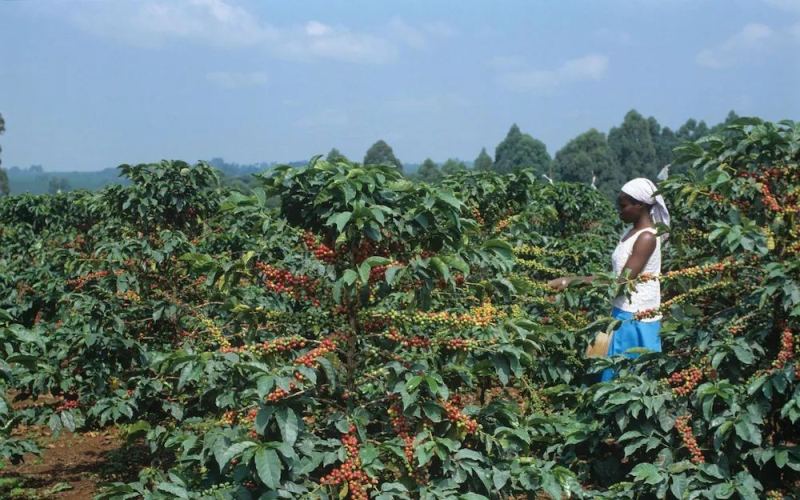
Kenyan coffee stands out in the world coffee landscape with its distinct and intense acidity, contrasting with the crisp and bright style of neighboring Ethiopia. This unique flavor is inseparable from the phosphoric acid-rich volcanic ash soil of the Kenyan highlands, the carefully selected SL28 and SL34 varieties, and the renowned K72 washed processing method. This article will delve into the sources of Kenyan coffee's acidity, dissecting its flavor code layer by layer—from the geographical environment and the history of variety selection to the 72-hour fermentation process. At the same time, we will introduce a Kenyan bean from Front Street Coffee, sourced from the Salia factory in the Thika region, featuring SL28 and SL34 varieties, processed with the K72 washed method, presenting bright acidity reminiscent of cherry tomatoes and smoked plums, along with a sugarcane-like sweetness. [more…]

Complete Guide to Kenyan AA Coffee Beans: Growing Regions, Variety Grading, and K72 Washed Flavor Profile
Front Street Kenya coffee has always enjoyed a solid reputation among single-origin coffee enthusiasts, thanks to its bright fruit acidity and substantial body. When you crave acidity but aren't quite used to the light, delicate character of Ethiopian coffee, Front Street Kenya coffee beans are often an excellent transitional choice. And when it comes to Kenyan coffee, one cannot avoid Front Street Kenya AA coffee beans. What exactly does AA stand for? In this article, Front Street will walk you through Kenya's coffee-growing regions, variety composition, grading system, and the most iconic K72 washed processing method, along with roasting and brewing recommendations for Front Street Asalia coffee beans. [more…]
Complete Guide to Kenyan Coffee Washed Processing: K72 Double Fermentation, Grading System, Auction System, and Front Street Little Tomato Recommendation
Kenya is a coffee origin that cannot be overlooked on the global specialty coffee map. Behind its full-bodied and highly distinctive flavors lies a rigorous industry system spanning from grading to auctions. Screen-size grades such as AA and AB do not directly equate to cupping performance—what truly determines specialty value is the cupping results at the NCE auction. This article will outline the industry chain structure and grading standards of Kenyan coffee, with a focus on the famous K72 double-washed processing method—through three cycles of fermentation and washing, it imparts bright, clean, and solid flavors to the beans at low temperatures. It will also introduce the relatively rare natural-process Kenyan coffee available on the market, along with specific information and brewing suggestions for two comparison beans: Front Street Cherry Tomato AA and Hania Estate Missionary Bourbon. [more…]
A Complete Guide to Kenya's K72 Double Washed Processing Method: Coffee Bean Flavor Characteristics, Auction System, and Regional Varieties
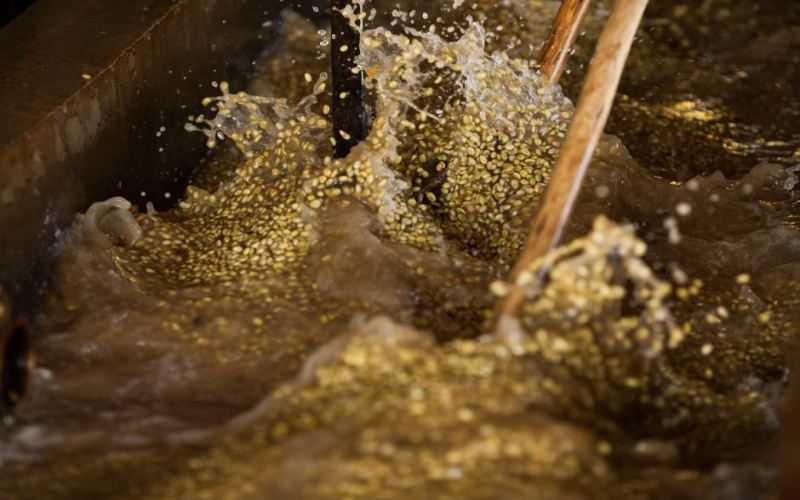
Kenya, though neighboring Ethiopia, has forged a distinctly different path in coffee development. From the British introduction of coffee in the 19th century, to the Scott Laboratories' selection and breeding of SL28 and SL34, and then to the repeated fermentation process of the K72 double washed method, Kenyan coffee is renowned for its intense acidity reminiscent of cherry tomatoes and dark plums. Front Street Coffee systematically reviews the historical context of Kenyan coffee, its auction trading system, the distribution of major producing regions and variety characteristics, and provides a detailed explanation of grading standards such as AA, AB, and PB. This article also presents the roasting curve, cupping flavor profile, and V60 pour-over parameters for Front Street's Kenya Asalia coffee beans, helping coffee enthusiasts gain a comprehensive understanding of the unique charm of this African producing country. [more…]
Kenya Kiambu Region K72 Washed Coffee: A Complete Analysis of Flavor Characteristics, Processing Methods, and Brewing Recommendations
Kenyan coffee is renowned worldwide for its rich layers, bright acidity, and clean cup, and the Kiambu region is a classic representative of this style. This article takes you into the K72 washed coffee beans of Kenya's Kiambu region, breaking down the causes of their unique flavor one by one—from the region's terroir and variety characteristics to the 72-hour double fermentation process. The article covers green bean grading knowledge, roasting curve analysis, and brewing parameters recommended by Front Street Coffee. It is suitable both for enthusiasts who want a deeper understanding of Kenyan coffee and as a practical reference for everyday pour-over. Whether you are drawn in by the red currant flavor or want to explore the varietal charm of SL28 and SL34, this complete analysis is worth a read. [more…]
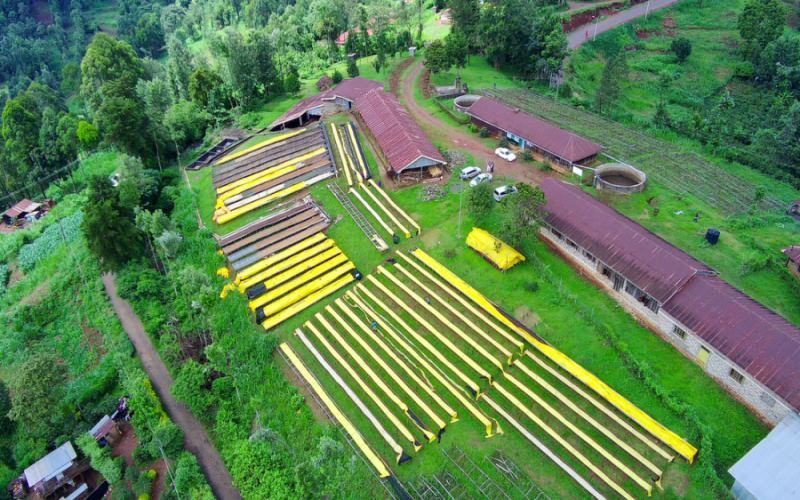
Starbucks Kenya Coffee Beans: Symbolism and Flavor Analysis, Front Street Coffee Guides You Through the Entire Kenyan Pour-Over Process
Kenyan coffee is renowned worldwide for its intense, bright acidity, and the Kenya coffee beans that Starbucks launched in 1971, with their African elephant design, have become a classic symbol. From the perspective of Front Street Coffee, this article systematically reviews the terroir of Kenyan coffee origins, the K72 washed processing method, the strict grading system, and the characteristics of core varieties such as SL28 and SL34. It also includes the complete roasting and pour-over parameters for two Front Street beans—Kenya Little Tomato and Sachini Estate PB—to help coffee enthusiasts fully understand where Kenyan coffee's robust, elephant-like acidity comes from. [more…]

How to Choose Coffee Beans for Summer Iced Coffee? Coffee Beans Suitable for Ice Drip and Cold Brew, Plus Front Street Brewing Recipes
In hot weather, cold drip and cold brew have become the top choices for coffee lovers seeking refreshment and a boost. But not all coffee beans are suited to making cold drip or cold brew—choosing the right beans is what makes iced coffee truly shine. Drawing on its in-store sales experience, Front Street Coffee has selected four distinctive coffee beans, from Ethiopia, Kenya, Costa Rica, and Colombia respectively, covering floral fruitiness, solid acidity, fruity sweetness, and rich fermented tones, suitable for making cold drip and cold brew with different flavor profiles. In addition to introducing each bean's origin, variety, and processing method, this article also shares Front Street's specific brewing parameters and pairing suggestions to help you recreate a refreshing, cooling cup of iced coffee at home. [more…]
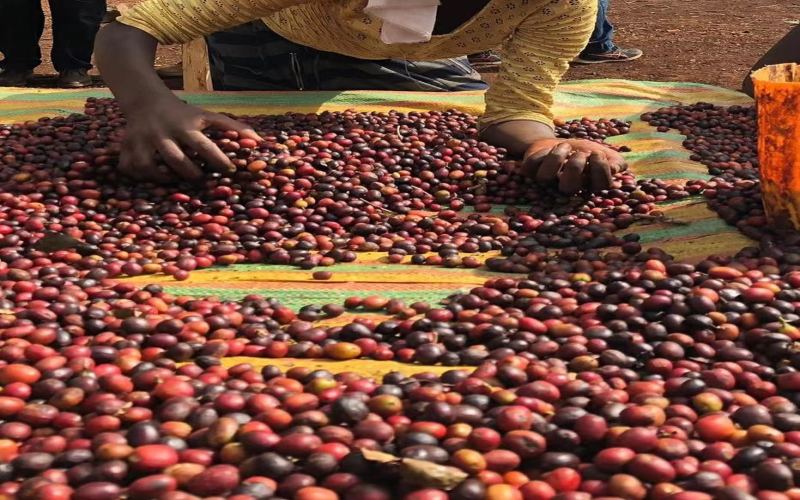
In-Depth Analysis of Kenyan Coffee: The Flavor Code of K72 Double Washing Process and SL28, SL34 Varieties
Kenyan coffee is renowned worldwide for its bright acidity and rich layers. What secrets lie behind its unique flavor? This article starts with two beans from Front Street Coffee—Kenya AA Cherry Tomato and AB Komatina Cranberry—and systematically sorts out the geographical conditions, cultivation models, and grading system of Kenyan producing regions, with a focus on analyzing the lineage of the two classic varieties SL28 and SL34, as well as the complete process of the K72 Kenyan-style 72-hour double washed fermentation method. It also includes Front Street Coffee's roasting curve and V60 brewing parameters, helping coffee lovers fully understand every key step of Kenyan coffee from green bean to cup. [more…]
A Complete Analysis of Kenyan Coffee Regions: From SL Varieties to the K72 Washing Method and the Historical Thread of the Auction System
Kenya is located in the equatorial zone of East Africa, with the Great Rift Valley running north to south through the country. The plateaus within its borders have an average elevation of about 1,500 meters, providing exceptional terroir conditions for coffee cultivation. Coffee is Kenya's second-largest agricultural export after tea, grown mainly on volcanic plots at elevations of 1,600 to 2,100 meters from the capital Nairobi to the areas around Mount Kenya. This article systematically examines the varietal composition of Kenyan coffee, the microclimatic characteristics of each major producing county, the iconic K72 washed processing method, the green bean grading system, and the evolution of the auction system from the colonial period to the rise of smallholder cooperatives—taking you deep into the complete picture of this heavyweight of African specialty coffee. [more…]
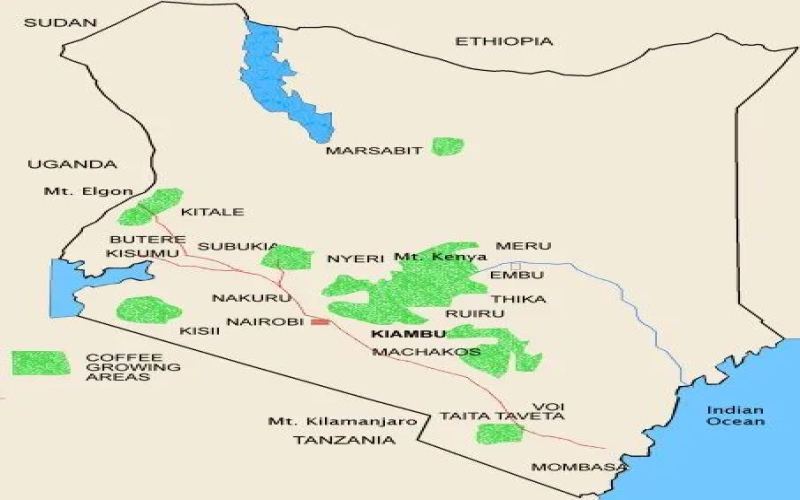
Kenya AA Grading and the K72 Washing Method: A Complete Interpretation from Variety and Region to Processing Technique
Kenya is one of the most important specialty coffee-producing countries in East Africa, where the equator, volcanic soil, and high altitude together shape its signature bright acidity and rich fruity aroma. This article systematically reviews the geographical conditions, historical context, variety composition, grading standards, K72 washed processing method, and the terroir differences of Kenya's seven major producing regions. It also combines Front Street Coffee's actual selections to introduce the flavor profiles of representative lots such as Karogoto, Hania Estate, and Asali, helping coffee enthusiasts gain a comprehensive understanding of the value system and tasting key points of Kenyan coffee. [more…]
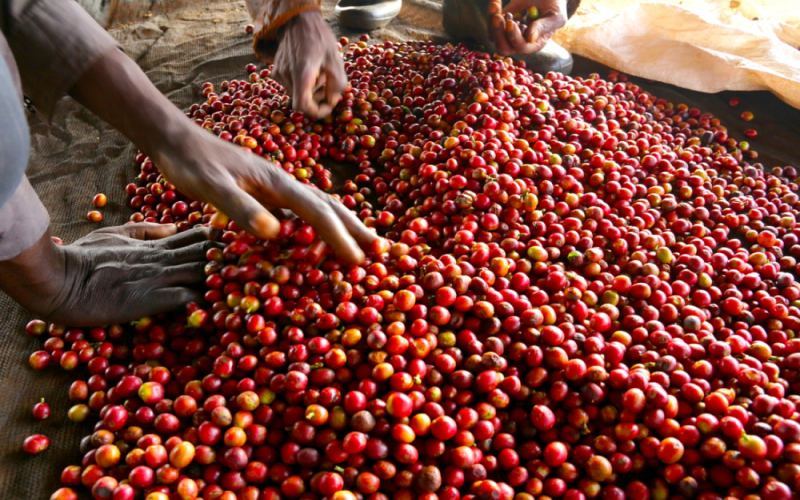
A Complete Analysis of Kenyan Coffee Regions: Geography, Terroir, Varieties, Grading, and the K72 Washing Process
Kenya is a representative producing country of East African specialty coffee, where the equator, volcanic soil, and high altitude together shape its signature bright acidity and complex flavors. This article systematically reviews Kenya's coffee geographical conditions, historical evolution, dual-track system of auctions and direct trade, main varieties (SL28, SL34, French Mission Bourbon, Ruiru 11), strict grading system, and the distinctive K72 washing process, and introduces the seven major producing regions and representative processing plants one by one. Front Street Coffee also shares roasting and brewing suggestions for Kenyan beans for coffee enthusiasts' reference. [more…]

Kenyan Coffee Flavor Analysis: A Complete Guide from K72 Processing to AB-Grade Small Cranberry
Kenyan coffee is famous for its vibrant acidity and rich complexity, but many enthusiasts report that the acidity becomes too prominent after brewing. Drawing on their retail experience, Front Street Coffee shares a V60 brewing recipe suited to Kenyan beans with pronounced acidity, and takes a deep dive into Kenya's growing regions, the classic varieties SL28 and SL34, the unique K72 double-fermentation washed process, and the grading logic behind the AB grade. The article also details the origin information, green bean characteristics, and roasting curve of Front Street Kenya AB Komatina Cranberry, helping readers fully understand the source of this coffee's flavor and the key points of extraction. [more…]
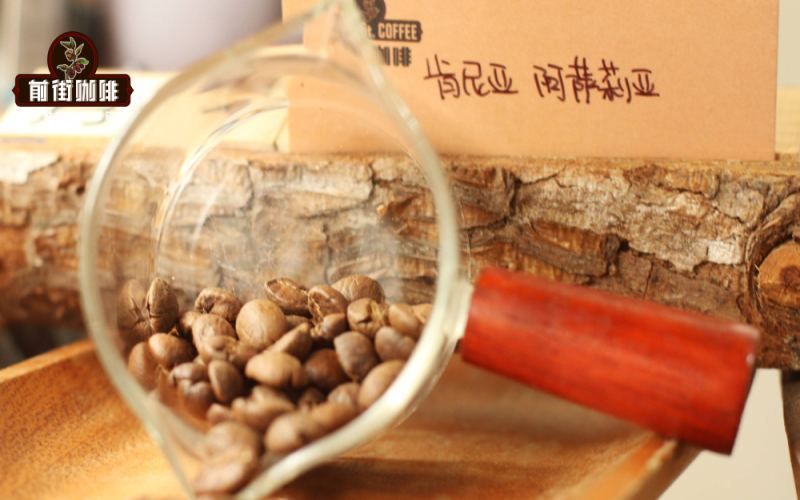
Flavor Analysis of Kenyan AB Grade Coffee Beans: A Comprehensive Interpretation of the K72 Washing Process and SL Series Varieties
Kenyan coffee occupies a unique place in the global specialty coffee landscape thanks to its bright fruit acidity and clean cup. This article begins with the Kenya AB Komatina Little Cranberry once offered by Front Street Coffee, and systematically walks through the geography and growing background of Kenya's producing regions, the lineage of the main cultivars SL28 and SL34, the specific meaning of grading standards such as AB and AA, and a detailed breakdown of the complete K72 double-fermentation washed process. The article also includes Front Street's roasting curve analysis for this bean and its in-store brewing parameters, helping you fully understand what gives Kenyan coffee its acidic, aromatic flavor and how to bring out its balanced, juicy side through brewing. [more…]